Clicking or catching during movement
Symptoms that recur with gripping or finger motion can be reviewed in consultation.
Trigger finger consultation
Triggering can create pain, clicking, catching, or locking during finger movement. The consultation reviews the pattern, associated symptoms, and the alternatives relevant to your case.
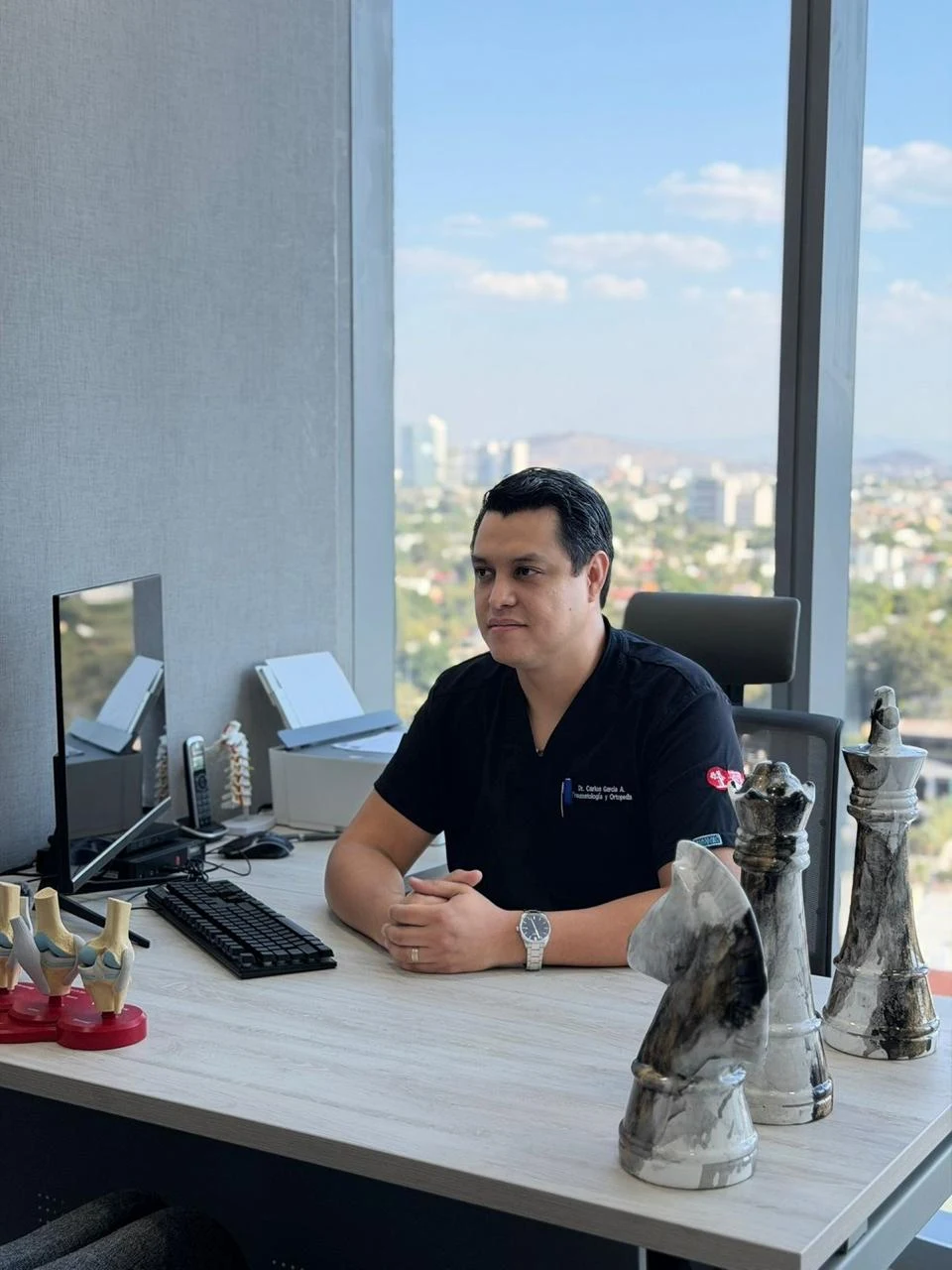
Understanding the concern
The affected finger, movement changes, pain, grip limitations, and prior treatment are reviewed before a treatment option is considered.
Symptoms that recur with gripping or finger motion can be reviewed in consultation.
Describe when it happens, how often, and how it affects work or daily tasks.
When to consult
These examples do not determine a diagnosis. They may help you decide whether to seek an orthopedic assessment.
Symptoms that recur with gripping or finger motion can be reviewed in consultation.
Describe when it happens, how often, and how it affects work or daily tasks.
Bring information about any previous treatment, splinting, injections, or studies.
What is reviewed
The assessment is used to distinguish possible causes and determine which alternatives should be considered next.
How the problem began, how it has changed, and the activities it is limiting are reviewed in consultation.
Movement, strength, stability, sensation, and the areas related to the symptoms may be assessed as appropriate.
X-rays, MRI scans, ultrasound studies, and reports can be reviewed when available; further information may be considered when it is useful.
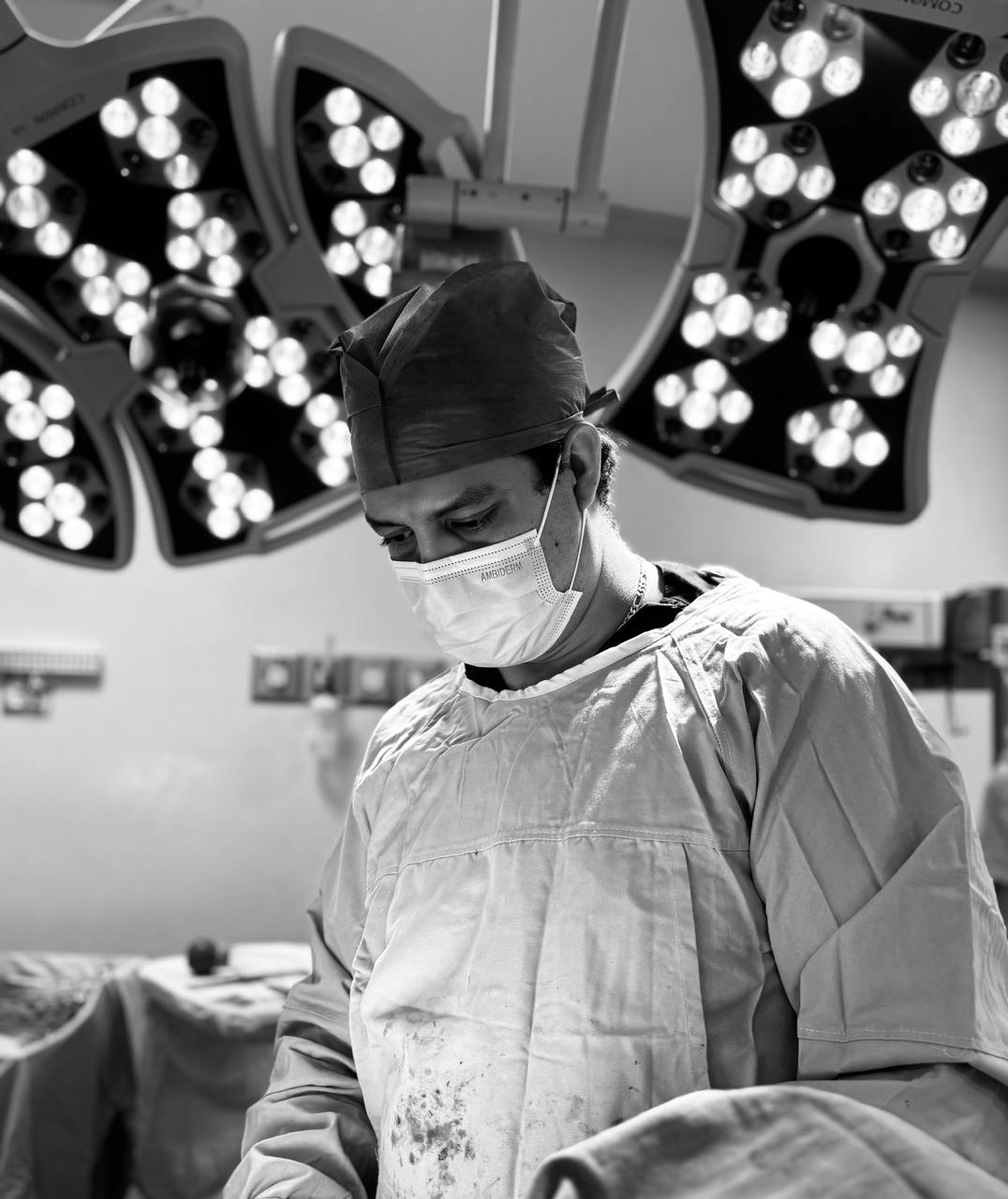
Your orthopedic specialist
Traumatology and Orthopedics
Care for knee, hip, shoulder, hand, wrist, foot and ankle concerns, sports injuries, fractures, and assessment of surgical and non-surgical alternatives.



9397150
15138725
14/8067/25
Before booking
Symptoms in the same area can have different causes. The history, clinical examination, and available studies help clarify the diagnosis.
No. The appropriate option depends on the diagnosis, symptoms, function, and individual circumstances.
Bring any available images, reports, and information about previous treatments related to your concern.
Immediate care: For a finger injury with deformity, loss of sensation, a pale or cold finger, or uncontrolled bleeding, seek immediate medical care.
Scheduled consultation: A scheduled consultation is appropriate once an emergency or acute injury has received immediate care when needed.
Dr. Carlos García sees patients with different insurance providers.
GNP · AXA · MetLife · Seguros Monterrey · MAPFRE · and other providers
Do you have insurance? Contact us for guidance about your consultation.